
Kůže s jazýčky: Co to je a jak to ovlivňuje vaši masáž
When you notice tiny, raised ridges on your skin after wearing a kineziotejp, you’re seeing kůže s jazýčky, přirozená reakce pokožky na lepidlo a mechanický tlak tejpů. Also known as přilnavé jazýčky, it’s not an allergy — it’s your skin’s way of telling you it’s been under stress. This happens often after kineziotejp therapy, especially if the tape was worn for days or applied over sensitive areas like the neck, shoulders, or lower back. Many people mistake this for irritation or a bad reaction, but in most cases, it’s harmless and temporary — though it can make your next massage uncomfortable if not handled right.
If you’ve had a lymfatická masáž, jemná technika pro odvod tekutin a zlepšení oběhu right after removing a tejp, you might’ve felt stinging or tightness. That’s because the skin’s top layer is still recovering. The same goes for péče o kůži, souhrn opatření, která udržují pokožku zdravou po nátlaku, teple nebo lepidlech. You can’t just jump into deep tissue work or hot stone therapy when your skin is still reacting. It’s like trying to run on a sunburn — you’ll only make it worse.
What you’ll find in the posts below isn’t just a list of massages. It’s a practical guide to understanding how your skin reacts after treatments, how to prep it for therapy, and what to avoid. You’ll learn why some people get jazýčky and others don’t, how to remove tejp without tearing skin, and which oils or creams help skin recover faster. There’s also real advice on when to skip a massage altogether — and when it’s safe to push through. No fluff. Just what works for real people with real skin.
Co dělat s pomerančovou kůží? Praktické kroky pro viditelné zlepšení
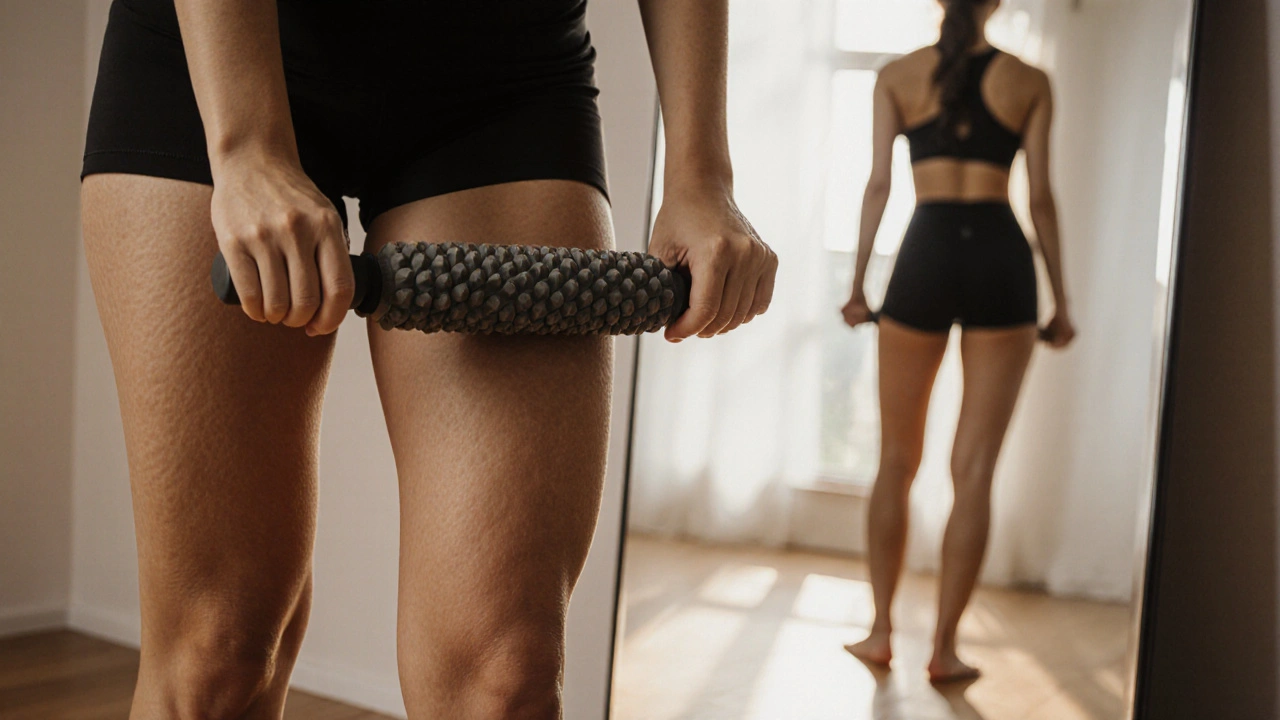
Pomerančová kůže není nemoc, ale přirozená změna kůže. Zjistěte, jak anticeulitidní masáž, pohyb a výživa mohou výrazně zlepšit její vzhled - bez nesmyslných krémů a extrémních diet.